 719-451-7469
 CALL US NOW
 EMAIL US NOW

If you were pulled over on Academy Boulevard or near the Garden of the Gods after a few drinks, you might have felt completely sober behind the wheel. Yet, an hour or two later at the police station or a local hospital, a blood test might show a blood alcohol concentration (BAC) above the legal limit of 0.08%. This creates a confusing gap between how you felt while driving and what the lab results say.
In Colorado, many people assume a blood test result is the final word in a DUI case. This is not true. One of the most effective ways we look at these cases involves the science of how the human body processes alcohol. This strategy, known as the rising BAC defense, focuses on what your alcohol levels were at the exact moment you were driving, rather than when the blood was drawn.
Understanding the Science of Alcohol Absorption
To understand why challenging DUI blood tests in Colorado is possible, you have to look at how alcohol moves through your system. When you consume a drink, the alcohol does not hit your bloodstream instantly. It must pass through your stomach and into your small intestine before being absorbed.
This process takes time. Depending on whether you had a heavy meal at a restaurant in downtown Colorado Springs or drank on an empty stomach, absorption can take anywhere from 30 minutes to more than two hours. During this period, your BAC is rising. It only begins to fall once your liver starts metabolizing the alcohol faster than your system absorbs it.
The Timeline Gap in Colorado DUI Stops
Colorado law under C.R.S. 42-4-1301 defines Driving Under the Influence as operating a vehicle when a person is substantially incapable of safe driving. The law also establishes a per se limit, meaning that if your BAC is 0.08% or higher, the state presumes you are under the influence.
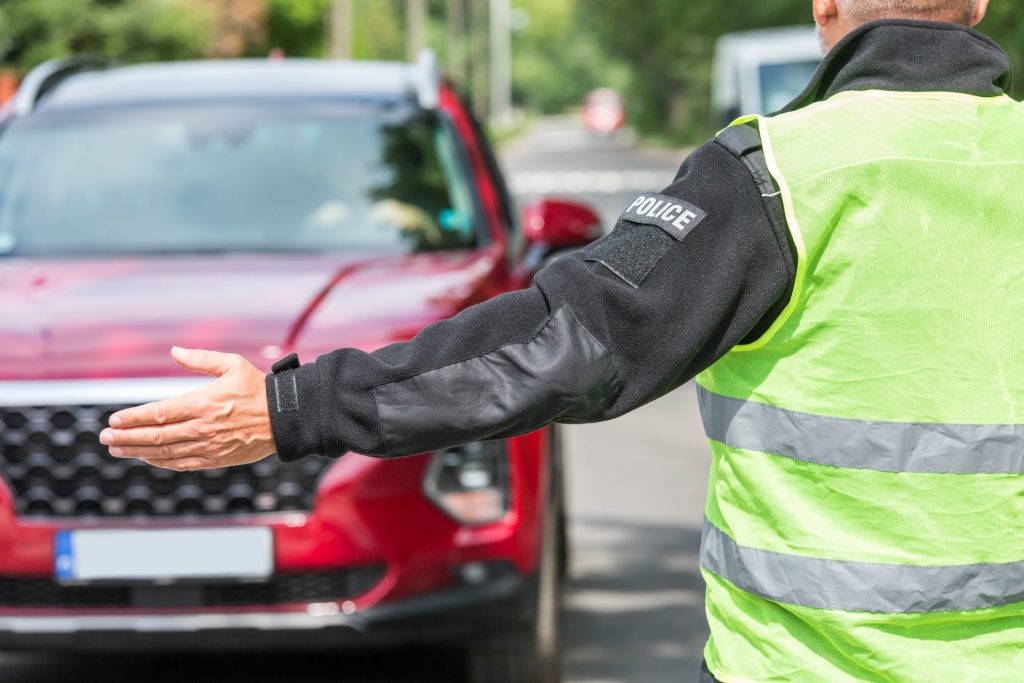
The legal issue arises because police rarely test your blood the second they pull you over. Between the initial stop on I-25, the roadside investigation, the arrest, and the transport to a testing facility, a significant amount of time passes. It is common for a blood draw to occur an hour or more after the actual driving ended.
If you finished a drink shortly before getting into your car, that alcohol might still be in your stomach while you are driving. But while you are sitting in the back of a patrol car, that alcohol finally enters your bloodstream. By the time the needle hits your arm, your BAC has peaked at a much higher level than it was when you were behind the wheel.
How Colorado Law Views Blood Test Timing
Colorado prosecutors often rely on the Express Consent Law, which requires drivers to take a chemical test if an officer has probable cause. The state generally expects the test to be completed within two hours of driving to use the statutory presumption of impairment.
Prosecutors frequently use a method called retrograde extrapolation to estimate what your BAC was earlier in the evening. They hire toxicologists to work backward from the test result, but this isn’t always accurate. It assumes the human body processes alcohol at a perfectly steady, predictable rate. It ignores individual metabolism, weight, gender, and recent food intake. If we can show that you were in the absorption phase while driving, the rising BAC defense can create reasonable doubt about whether you were actually over the limit while operating the vehicle.
Technical Challenges to Blood Sample Integrity
Beyond the biology of rising alcohol levels, we also examine the technical side of the blood draw itself. The Colorado Department of Public Health and Environment (CDPHE) sets strict rules for how blood samples must be collected, handled, and stored.
If the person drawing the blood uses an alcohol-based swab to clean your arm, they might contaminate the sample. If the vials are not shaken properly to mix the preservatives and anticoagulants, the blood can ferment. Fermentation creates new alcohol inside the vial. This means the lab results would show a BAC higher than what was actually in your body. We look for any deviation from these state-mandated procedures to challenge the reliability of the evidence.
Why Local Context Matters in Colorado Springs
Cases in El Paso County follow specific procedural paths through the 4th Judicial District Court. Local law enforcement agencies, like the Colorado Springs Police Department or the El Paso County Sheriff, must follow the same state standards for evidence preservation.
When a sample is taken, you have the right to have a portion of that sample (a split sample) preserved for independent testing. This is a critical step. By comparing the state’s results with an independent analysis, we can often find discrepancies in how the blood was handled or analyzed. Sometimes, the state’s equipment has not been calibrated correctly, or the chain of custody has been broken between the scene of the arrest and the lab.
Challenging the Presumption of Guilt
A high BAC reading feels like an open-and-shut case, but it is a data point that can be contested. The prosecution has the burden of proving you were impaired.
By using the rising BAC defense, we highlight the difference between being intoxicated and being in the process of absorbing alcohol. We may use witness testimony about when you had your last drink or receipts from a local establishment to establish a clear timeline. If the timeline shows your BAC was still climbing, the test result taken an hour later does not accurately reflect your state of mind or physical ability while you were on the road.
Protecting Your Future After a DUI Charge
A DUI conviction in Colorado carries heavy penalties, including potential jail time, high fines, and the loss of your driver’s license. These consequences affect your job, your family, and your reputation in the community. You should not accept the state’s evidence without a thorough investigation into its accuracy.
At The Lux Law Firm, we focus on digging into the details of every blood test and arrest report. We look for the cracks in the prosecution’s case, from the science of alcohol absorption to the technical errors made in the lab. Our team provides the support you need to face these charges with a clear strategy.
If you are facing a DUI charge in the Colorado Springs area, we offer free case evaluations to help you understand your options and the potential defenses available to you. Contact us today at 719-451-7469 to discuss your situation and let us help you move forward.



 128 S Tejon St Suite 403
  719-451-7469